
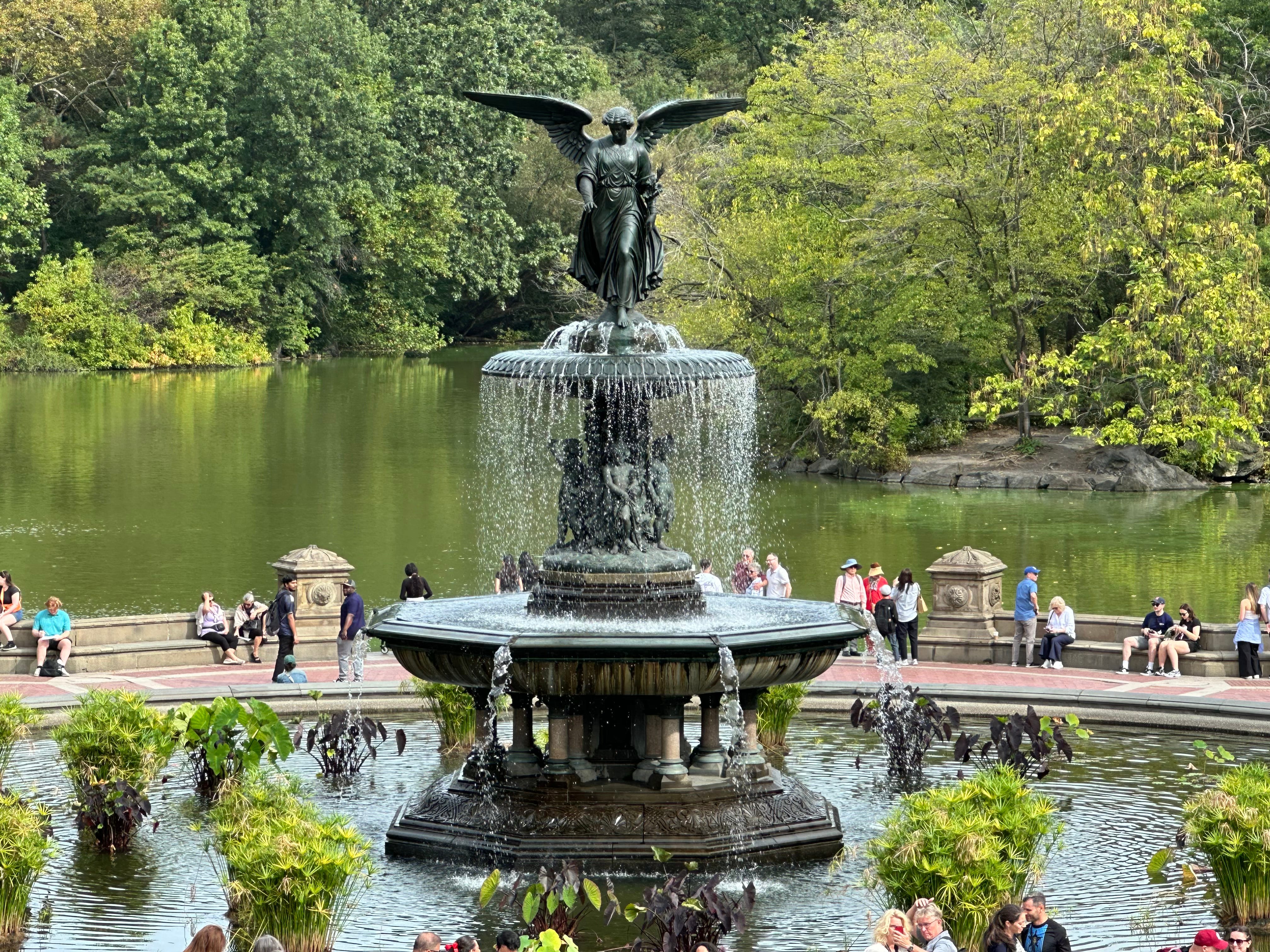
When a city made America healthier
The blessing of clean water
When a cholera epidemic struck New York City in 1832, tens of thousands of people fled.
Most of those who could leave decamped to houses in the countryside. Those left behind were the poor, many of them immigrants, trapped in cramped neighborhoods where disease spread more quickly.
“Cholera is an unnerving disease,” Charles E Rosenberg wrote in a 1959 article for the Bulletin of the History of Medicine, “its symptoms revolting, its prognosis discouraging, its etiology an indictment of the society which harbors it; a grim reminder of man’s mortality, it could not be ignored, or treated, or prayed away.”
Victims of severe cholera suffer from watery diarrhea, vomiting and leg cramps. The resulting dehydration can kill a person in just a few hours.
As Edwin G. Burrows and Mike Wallace wrote in Gotham, their history of the city, “3,513 died, most of them h…


